
What a mini tankless water heater is
A mini tankless heater is a small electric unit that heats water as it flows, usually near a single sink or shower. Point-of-use units are the smallest and sit under a sink. Larger electric units can serve a bathroom group. None of them replaces a whole-house tank or a gas tankless system, and mixing up the two is the most common reason people are disappointed.
The appeal is simple. Hot water shows up faster at a faraway tap, and you do not wait for the long pipe run to clear. The main drawback is electrical. Heating water instantly takes a lot of power, and small units need their own circuit.
Where a mini unit helps
| Situation | Good fit? | Why |
|---|---|---|
| Far bathroom sink with a long wait for hot water. | Yes. | A point-of-use unit shortens the wait. |
| Garage, workshop or utility sink. | Yes. | Low demand, short use. |
| Basement bath added after a remodel. | Often. | Avoids a long run to the main heater. |
| Shower in a busy family bathroom. | Rarely. | Flow and power demand are high. |
| Whole house or two bathrooms at once. | No. | Use a tank or whole-house tankless, see tankless water heater service. |
A recirculation pump on the main heater is another way to cut the wait for a distant tap. We can compare both options for your layout.
Sizing, power and flow
Two numbers decide whether a small unit works. Flow rate is how many gallons per minute the unit can heat, and temperature rise is how much it must raise incoming water. In a Massachusetts winter, groundwater is cold, so the same unit delivers less warm water in January than in August. A unit that feels fine in summer can disappoint in winter.
- Check the unit label for required amperage and breaker size.
- Confirm the panel has room for a new circuit.
- Choose a unit sized for one fixture, not the whole bathroom.
- Allow for a lower flow in winter.
- Read the manufacturer notes on minimum flow, since the unit will not fire if the flow is too low.
Electrical work must be done properly. In Massachusetts that means a licensed electrician for the circuit and a licensed plumber for the water connections.
Water quality and the small heating element
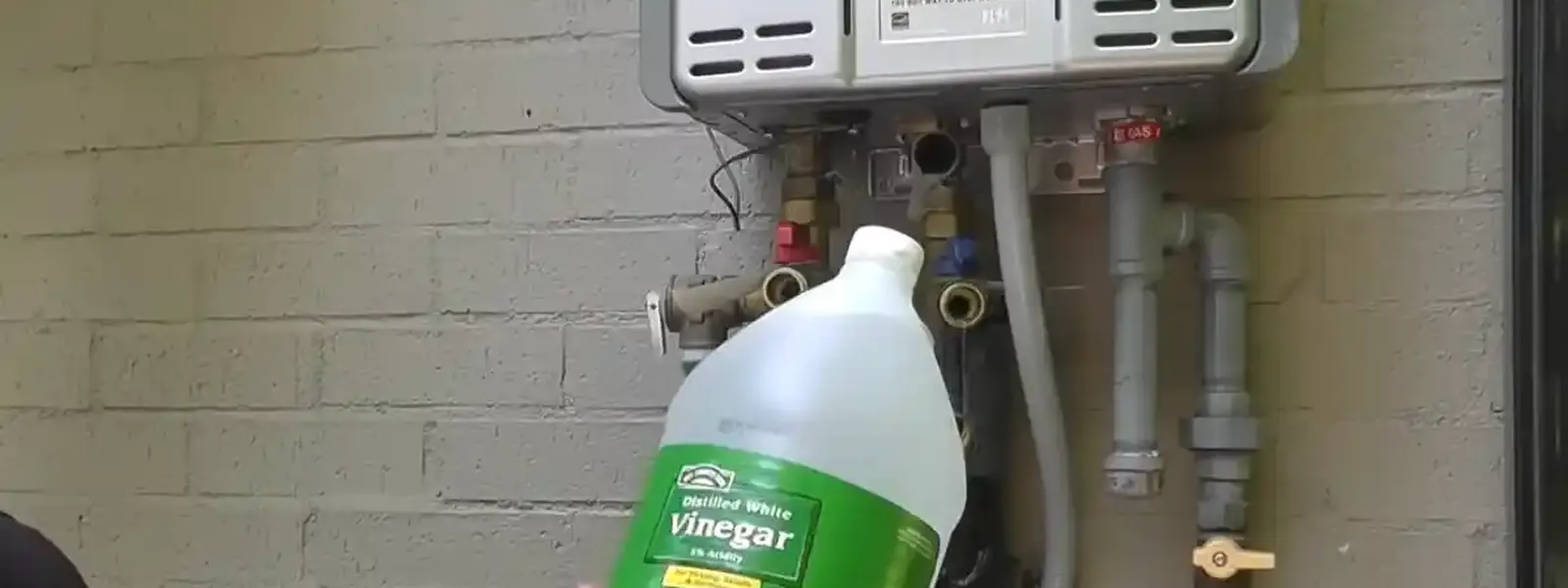
Small units have little room for scale. If your water carries minerals, the heating element or the flow sensor can foul quickly. Test your tap or read your water district annual report before you buy, and plan to flush or descale on a schedule. A cheap unit that clogs in a year costs more than a good one that lasts.
If your problem is a failing main heater rather than a distant tap, a mini unit is the wrong tool. Start with water heater repair or water heater installation and size the main system correctly.
Questions to settle before you buy
- Where will the unit be mounted and who can reach the shutoff?
- Is there a drain pan or a safe spot if it leaks?
- What breaker size does it need and is there room in the panel?
- What is the warranty, and does it cover installation done by someone else?
- Will the pipes freeze if the room is unheated?
A mini unit in an unheated garage needs freeze protection. Water left in a unit during a cold snap can crack it.
A realistic example
Picture a bathroom at the far end of an addition. The main heater sits in the basement, and the pipe run is long enough that you wait a minute for warm water at the sink. A small point-of-use unit under that sink delivers warm water for hand washing within seconds.
Running the shower from the same unit is a different story. It needs far more power and flow than a small unit can supply, and in winter the incoming water is colder still.
Costs that surprise buyers
The price on the box is not the whole job. Budget for a dedicated circuit, a shutoff and fittings, and the time to mount and test. Compare that total with a recirculation pump or simply moving the heater. Sometimes the best answer is not to buy a mini unit at all.
How to compare your options side by side
List what you want to solve. If the problem is a long wait, compare a recirculation pump, a point-of-use unit and moving the main heater. If the problem is running out of hot water, compare a larger tank, a tankless system and a heat pump unit.
Then compare total installed cost, running cost, space and maintenance. A cheap unit that needs a new circuit and annual descaling may not beat a simple pump on the existing system. A plumber can walk through the numbers with you without any pressure to buy.
When to skip the mini unit
Skip it if you want hot water for more than one fixture at a time, if your panel has no spare capacity or if the room freezes in winter. In those cases a better answer is a recirculation loop, a larger main heater or a unit installed closer to the fixtures. A plumber can show you which fits.
Mini tankless heaters and Grafton rules
Plumbing and electrical work in Massachusetts are licensed trades, and plumbing is governed by the state code, 248 CMR 10.00. Verify any plumber with the state Board of State Examiners of Plumbers and Gas Fitters license lookup. Ask the Grafton building department which permits apply to adding a circuit and a water heater at your address, since the town handles permitting online.
Water quality differs across Grafton. The Grafton Water District and the South Grafton Water District serve different parts of town, and some homes use private wells. Request the annual water quality report from your district, or test a private well, before picking a small heater that is sensitive to scale.
Common questions
Can a mini tankless heater run a shower?
Only a larger electric unit sized for it, and winter inlet temperatures lower the result. Most point-of-use units are meant for sinks.
Do mini tankless heaters need a special circuit?
Usually yes. Check the label for amperage and have a licensed electrician confirm panel capacity.
Will a mini unit work in a cold garage?
Only with freeze protection. Water left in a unit during a freeze can crack it.
Is a mini unit cheaper than a bigger tankless?
The unit costs less, but total cost depends on wiring and installation. It also does less.
Where can I find my Grafton water quality information?
Ask the Grafton Water District or South Grafton Water District for the annual water quality report. Homes on private wells should arrange a lab test.