
Why two fixtures clog at the same time
Fixtures on the same branch share a drain. When the branch or the main line clogs, the lowest fixture backs up first. A tub and a toilet on a lower floor are often the first to show it, because they sit lowest and closest to the main. A sink upstairs may keep draining, which is a clue.
A single clogged toilet is a local problem. A toilet and a tub together is a shared-line problem, and plunging harder will not help.
A quick diagnostic
| What happens | What it suggests |
|---|---|
| Flushing the toilet makes the tub gurgle or fill. | Shared branch or main line blocked. |
| Running the washer makes a floor drain bubble. | Main line blocked. |
| Upstairs fixtures drain fine, basement fixtures back up. | Main line blockage low in the system. |
| Only one fixture is slow. | Local clog. |
Stop using water if sewage is coming up. Every flush and every shower adds to the overflow. Keep children and pets away, and open windows for ventilation.
Safe first steps
- Stop using all water.
- Find the main cleanout, often in the basement, and check if it is full.
- Do not pour chemical drain cleaners into a full line, since they can burn skin and damage pipes.
- Photograph any sewage damage for your insurer.
- Call for service and describe which fixtures are affected.
A professional clears the line with a cable or a hydro jet, and a camera shows the cause. See sewer line cleaning, hydro jetting and drain cleaning for what each method does.
Common causes in older and newer homes
Tree roots find small cracks in old clay or cast iron lines and fill them. Grease and wipes build up in any line. Collapsed or sagging sections trap waste. Newer homes can have construction debris or poorly sloped joints. A camera inspection shows which it is, and sewer inspection explains the steps.
If the same blockage keeps coming back, the line is telling you something. A repair is cheaper than repeated service calls, and sewer line repair covers options.
Stop it from coming back
- Never flush wipes, even if the label says flushable.
- Do not pour grease down drains.
- Have lines cleaned on a schedule if roots are known.
- Consider a backwater valve if your home has repeat backups.
Cleanup after a sewage backup
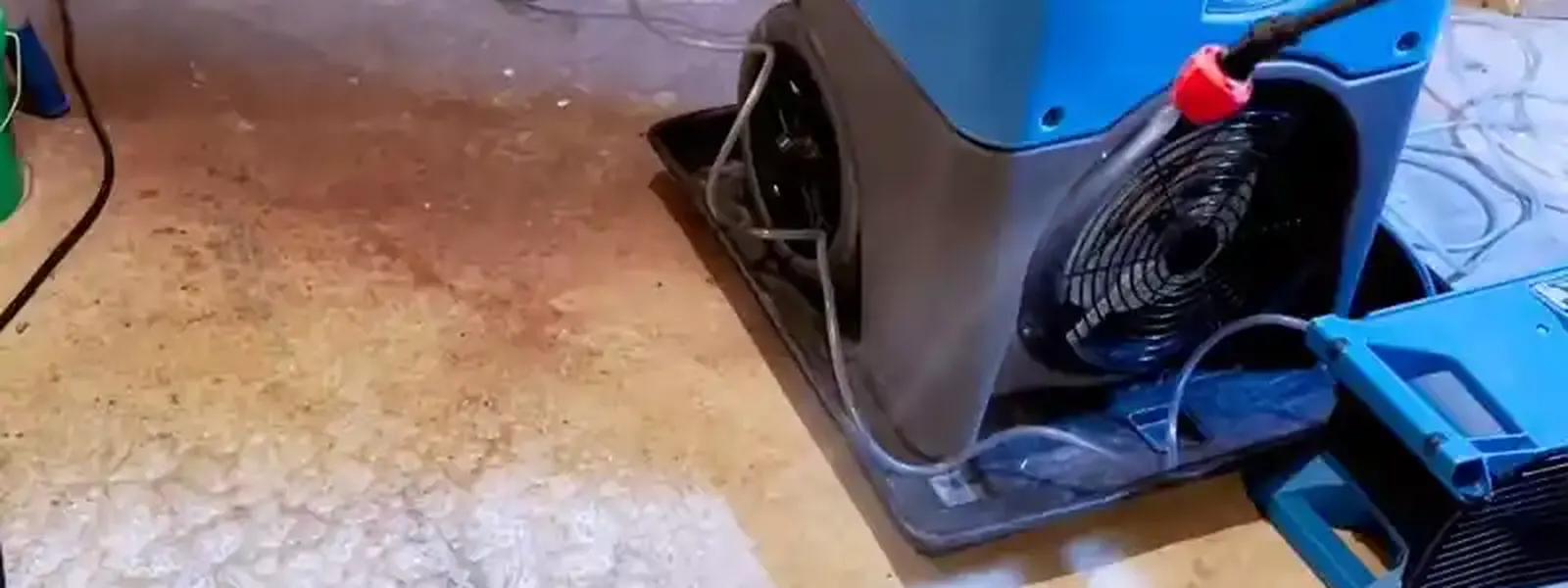
Sewage water is a health hazard. Wear gloves and boots, keep children and pets away and do not use household vacuums on wet material. Porous items such as carpet, drywall and insulation that soaked in sewage usually have to be removed. Disinfect hard surfaces and dry the area quickly. A restoration company handles large events. For small spills, ventilation and careful cleaning with proper protection may be enough.
Photograph everything before you start and ask your insurer what documentation they want. Keep the plumber invoice, which shows the cause and the date.
Is it the toilet, the tub or the line?
Pour a bucket of water into the tub. If it drains slowly and the toilet bubbles, the branch is blocked. If the toilet is the only fixture affected, plunge it. If the basement floor drain bubbles during laundry, the main is blocked. Matching the pattern to the location saves time on the phone and helps us arrive with the right equipment.
Septic homes need a different approach
In a home on septic, a backup may come from the tank or the leach field, not from the pipe between house and tank. Signs include slow drains throughout the house, gurgling, odor outdoors and wet ground over the system. Do not keep running water. A septic professional pumps and inspects the tank, and a plumber can confirm the house line is clear.
Preventing the next backup
Run cold water for a few seconds after using the sink, keep the toilet for paper only and clean hair from tub drains. A mesh strainer in the tub costs very little and saves a surprising number of service calls. Shower and tub clogs are mostly hair and soap, while toilet clogs are mostly misuse. Teach everyone in the house what goes down each drain.
Rental and shared housing
In a rental, report a backup to the landlord right away and in writing. Take photographs and note the date. Avoid trying to fix the main line yourself, which can add damage and complicate responsibility.
Landlords should call a plumber quickly, because sewage damage spreads fast, and they should keep records of the cause. Tenants who use the drains carefully and report early help protect everyone. A clear description of which fixtures are affected speeds up the repair.
Prevention for older drain lines
Homes with older cast iron or clay lines benefit from a planned cleaning every few years. Pair it with a camera look so you see the pipe condition. A scheduled visit costs far less than an overnight call with sewage on the floor.
Children and what they flush
Toys, cotton products and too much paper cause many family clogs. A short talk and a bin in the bathroom prevent most of them. If something solid was flushed, say so as soon as you call. It changes how the plumber approaches the job.
Sewer and septic responsibility in Grafton
In many Massachusetts towns the property owner is responsible for the sewer lateral from the house to the street main, and the town for the main itself. Ask the Grafton Department of Public Works or the relevant town office where responsibility changes for your address. If your home is on septic, the Grafton Board of Health regulates systems under Title 5, and a backup there may be a tank issue rather than a line clog.
Plumbing work is governed by the Massachusetts code, 248 CMR 10.00, and must be done by licensed plumbers. Always call 811 before digging so underground utilities are marked.
Common questions
Why is my tub backing up when I flush the toilet?
They share a drain line. A blockage downstream sends water to the lowest open fixture.
Can I use drain cleaner on a main line clog?
Not recommended. It can damage pipes and is hazardous.
Is this an emergency?
If sewage is coming up inside the house, yes. Stop using water and call.
How do I find the main cleanout?
It is often a capped pipe in the basement or outside near the foundation.
Who is responsible for the sewer line in Grafton, me or the town?
Usually the owner handles the pipe on the property, and the town handles the street main. Ask the town office for your address.